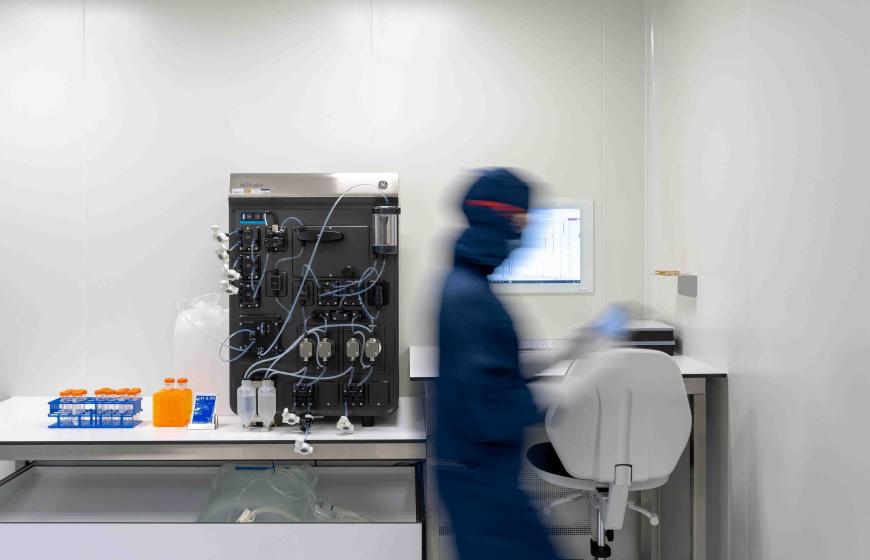


If your process window is measured in parts per billion, the only acceptable background is none. Nitrogen 6.0 is ultra-high purity (UHP) nitrogen for semiconductor tooling, advanced R&D, analytical baselines, and precision manufacturing where O₂, H₂O and THC at trace levels derail yield or data. Coregas positions Nitrogen 6.0 as an extremely high-purity nitrogen available as compressed gas or cryogenic liquid, for blanketing, purging and pressurisation where purity is mission-critical — and they back it with NZ distribution, cylinder sizes and SDS support.
But UHP supply only performs as UHP when every component in the gas path regulators, lines, manifolds, valves, fittings and purifiers — preserves purity. This article gives you a practical playbook for designing, operating, and maintaining UHP nitrogen lines that actually deliver 6.0 performance at the tool, not just on the delivery docket.
Where Nitrogen 6.0 Changes Outcomes
Semiconductor tools and wafer handling
Photoresist coating, etch, deposition and metrology live or die on background control. Moisture and oxygen drive surface reactions that change film properties and device performance; hydrocarbons contaminate critical optics and surfaces. UHP nitrogen prevents adsorbed layers from rebuilding on critical surfaces and helps keep particle and film defects in check.
Advanced R&D and analytical baseline work
If your mass spectrometer, GC/GC-MS or FTIR is chasing low-level analytes, UHP nitrogen protects the baseline from noise and contamination. It also stabilises glovebox atmospheres used in air- and moisture-sensitive syntheses.
Additive manufacturing and laser systems
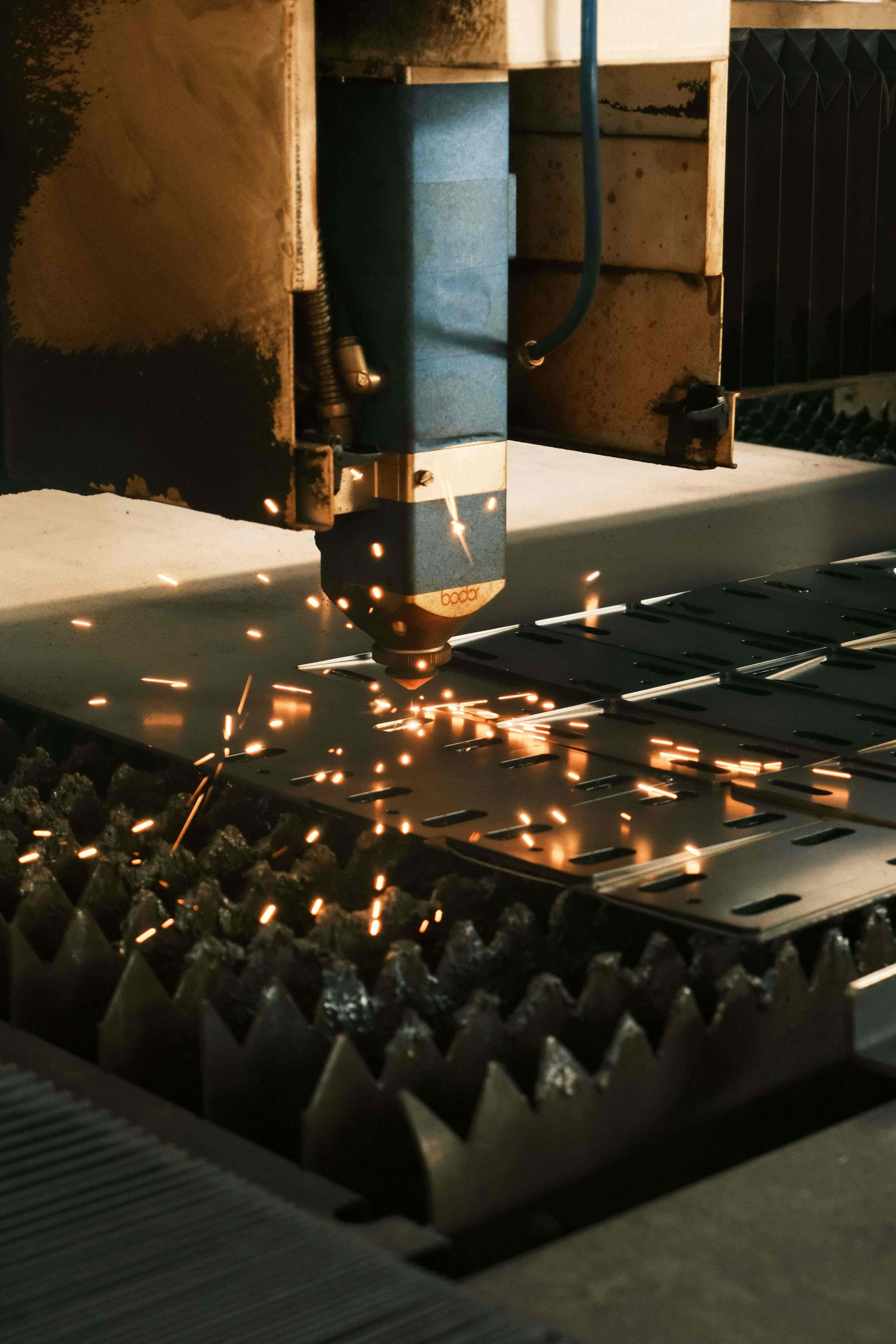
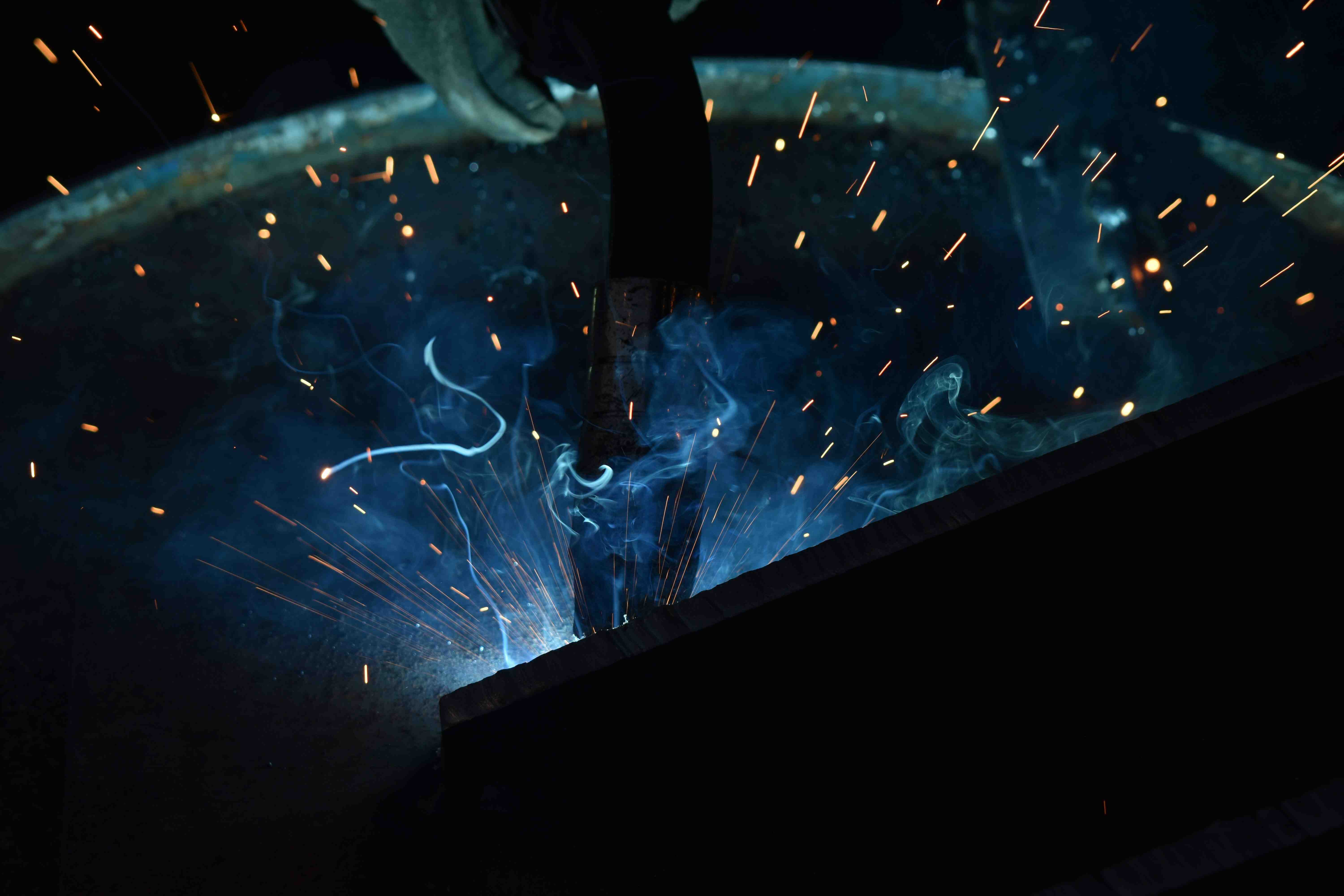
In powder-bed fusion and laser processing, UHP nitrogen reduces oxide formation, protects optical trains, and keeps powder handling clean, all of which stabilise mechanical properties and surface finish.
UHP Gas-Path Architecture — Designing for “Nothing Happens”
Materials and construction
Regulators: Use UHP-rated, 316L stainless steel with metal-diaphragm designs and low outgassing seats.
Lines: Electropolished 316L with orbital welds preferred; where fittings are required, use VCR/face-seal or high-spec compression.
Valves: Bellows-sealed or diaphragm-sealed valves with UHP ratings.
No elastomers (where avoidable) in the UHP run; if unavoidable, select materials with proven low permeation and outgassing.
Topology and lengths
Keep runs short and direct; avoid dead legs and thermal gradients.
Design for positive pressure from source to point of use to prevent back-diffusion of air.
Separate UHP from industrial-service manifolds; install physical breaks to avoid accidental cross-tie.
Changeover without purity shocks
Automatic changeover manifolds with check valves prevent air ingress during bottle switchover.
Provide purge ports and define purge sequences to displace air before a new cylinder comes online.
Monitor O₂/H₂O continuously downstream of the changeover; alarm at tight limits.
Purification strategy
Place point-of-use purifiers (moisture/hydrocarbon) close to the tool.
Size cartridges for maximum flow and expected lifetime; implement pressure-drop and time-based change criteria.
For cryogenic to gaseous transitions, control vaporiser design and gas warming to prevent condensation and re-adsorption.
Validation & Monitoring — Because “We Think It’s Clean” Isn’t a Spec
Oxygen analyzers (ppm/ppb-capable) at the tool input and pre-tool manifold.
Dew point/humidity analyzers sized for your flows; trend dew point against ambient and tool cycles.
Total hydrocarbon (THC) monitors, if your SLA requires it.
Data logging: trend, alert and investigate deviations; require a return-to-normal before resuming production or analysis.
Clean-Build & Maintenance SOP — What Your Techs Actually Do
Assembly (clean build)
Stage pre-cleaned components in a clean area; keep dust control in place.
Assemble with lint-free technique; use torque values per fitting specs.
Purge with clean nitrogen; pressure-hold and leak-test with approved methods (no hydrocarbon sprays).
Validate O₂/H₂O at the end of the run; record baseline.
Routine operation
Check analyzers at start of shift; trend for drift.
Inspect regulator creep and replace suspect units before they become problems.
Verify changeover events (automatic) and confirm analyzer response returns to setpoint.
Maintenance and cartridge changes
Replace purifiers at conservative intervals or monitored breakthrough; never run them to exhaustion if the tool is purity-critical.
For cryogenic supplies, include maintenance on vaporisers and heat tracing to avoid condensation events.
After any intervention, require two independent purity checks (O₂ and H₂O) before green-lighting production.
Safety, Storage & Transport (NZ) — UHP Is Still a Cylinder Under Pressure
Nitrogen 6.0 is non-flammable; the hazard profile is dominated by stored pressure and asphyxiation risk. WorkSafe NZ guidance makes it clear: all gases under pressure must meet the relevant controls of the Health and Safety at Work (Hazardous Substances) Regulations 2017 (identification, approval, handling, storage, training). The WorkSafe “Gases under pressure” page plus the Guide to gas cylinders summarise practical expectations, from cylinder approval/marking to storage and handling discipline. WorkSafe+1
For transport/site classification, compressed nitrogen is UN 1066, Class 2.2 (non-flammable, non-toxic gas). Treat driver briefs accordingly: secure upright, valves closed and capped, ventilated vehicle compartment, and emergency actions per your plan. (NZ references list Hazchem 2T for N₂, which you can include in your emergency card and training.) hazmattool.com+1
For cryogenic liquid nitrogen (LIN), use UN 1977 and follow additional cold-hazard controls. While the 6.0 focus is purity, a cryogenic supply may be the right answer for high, steady demand. Coregas lists both compressed and cryogenic supply modes across its nitrogen ranges. coregas.co.nz
NZ Compliance & Hazard Communication — Make It Obvious
New Zealand adopted GHS 7 as the official hazard classification system in 2021. That means labels and SDS for your nitrogen streams will follow GHS 7 conventions (pictograms, signal words, hazard/precautionary statements), and your training should mirror them. Rolling the same language and signage across UHP and non-UHP nitrogen simplifies induction and reduces error. epa.govt.nz
Coregas’ Safety & SDS pages collect SDS downloads and safety literature and link to ANZIGA resources and Standards. Pull the Gas Cylinder Safety poster and ANZIGA transport guides straight into your LMS or noticeboards; this is the fastest way to keep day-to-day practice aligned with expectations. coregas.co.nz+1
Supply Modes, Packs & Sizing — Keeping UHP Online
Coregas lists Nitrogen 6.0 as an extremely high-purity nitrogen with compressed and cryogenic options, pointing at use cases like blanketing, purging and pressurisation. For uninterrupted tools, design changeover and buffer capacity to your actual flow. In many shops, moving from single bottles to 6- or 12-packs (and eventually to bulk/reticulated supply) cuts human touch points, reduces contamination risk, and improves uptime. Pair this with automatic changeover and analyzer-gated interlocks so tools do not run unprotected. coregas.co.nz+1
UHP “Gotchas” — How Purity Gets Lost in Real Life
Back-diffusion at idle: long idle periods with no positive flow allow air to back-diffuse into dead legs. Solve with low keep-alive flows or automatic isolation.
Elastomer creep/outgassing: “convenience” valves and hoses added later leak purity; standardise a UHP-approved parts list.
Unfiltered maintenance air: a single unfiltered compressed-air blow-off can contaminate months of clean work. Lock out non-UHP practices in the UHP zone.
Uncontrolled cryogenic boil-off: poor vaporiser management can carry condensates and water into the line; monitor dew point after vaporisers.
Analyzer blind spots: if you only measure O₂, missed H₂O or THC excursions will bite. Instrument at least two vectors.
Example UHP SOP Blocks (Drop into Your Documentation)
Changeover SOP (automatic manifold)
Verify new cylinder ID, pressure and valve integrity; stage in a clean zone.
Connect with face-seal or high-integrity compression fittings; torque to spec.
Purge the new side through the provided purge port for a defined time/volume.
Trigger changeover; watch O₂/H₂O analyzers return to baseline; log.
Tag empties; relocate to the UHP-designated rack; request pickup.
Post-maintenance validation
Leak-test; perform pressure hold.
Open to low flow and watch analyzers; stabilise below alarm setpoints.
Run a tool verification (e.g., GC baseline, wafer “dummy” run, or laser spot check).
Approve for production; archive logs.
FAQs
-
Is Nitrogen 6.0 flammable?
No. Nitrogen is non-flammable. The hazards are pressure (H280) and asphyxiation in confined or poorly ventilated spaces. WorkSafe NZ guidance applies to all gases under pressure. WorkSafe
-
Do we need different regulators for 6.0 vs 5.0?
Yes — use UHP-rated stainless regulators (metal diaphragm) and clean-build practices. Lower-grade regulators can outgas or creep and will dominate purity.
-
Can we share manifolds with industrial nitrogen?
Don’t. Purity is limited by the dirtiest component. Keep 6.0 on dedicated manifolds and lines.
-
What UN number and class should be on our driver brief?
For compressed nitrogen: UN 1066, Class 2.2. For cryogenic: UN 1977. Include valve-closed/capped, upright restraint, and ventilation requirements. hazmattool.com+1
-
How do we prove purity at the tool?
Instrument O₂/H₂O (and THC if required) at point-of-use. Trend logs with alarms; require return-to-baseline before resuming runs after any intervention.
Internal Links & Conversion (insert in CMS)
Nitrogen 6.0 product page — extremely high-purity overview and supply modes. coregas.co.nz
Nitrogen gases hub — context across grades and applications. coregas.co.nz
Safety & SDS — SDS downloads, posters, ANZIGA/Standards links. coregas.co.nz
Size options — cylinders vs packs vs bulk/reticulated. coregas.co.nz
Conclusion — Design for Nothing to Happen
The mark of a great UHP nitrogen system is boring trend charts: flat O₂, flat H₂O, flat THC, no alarms. Nitrogen 6.0 is your starting point — but system design, changeover discipline, analyzer coverage and clean-build practices determine whether you deliver that 6.0 performance where it counts. If your lines are short, your fittings are high-integrity, your analyzers are awake and your changeovers are automatic and purged, your tools will run longer without excursions, your R&D will trust the data sooner, and your team will spend less time hunting ghosts. For supply, choose the cylinder or pack that matches your consumption pattern, or step up to bulk/reticulated if your flows justify it — and wire your interlocks so production never proceeds on air.